
Noah Kahan's "The Great Divide" Meaning: A Therapist Decodes 7 Key Songs
Written by Mak Donovan, MFT | Published May 2026 | The Therapy Group
A therapist searches for deeper meaning...shocker.
If you are like me, you have been blasting Noah Kahan’s new album nonstop since it came out. The Great Divide: The Last of the Bugs is a beautifully intimate and reflective album that depicts exactly what it’s like to be human. It speaks to the parts of us that we hide and the versions of us that want connection, above all else. The album highlights the devastation and complexity of how we perceive ourselves and those closest to us and what we miss when we assume instead of remaining curious, when we pull away instead of reaching out a hand. It is moving and all-consuming. And if the divide Noah sings about feels familiar, in your relationship, your family, or somewhere in yourself, The Therapy Group can help you be the one who reaches out a hand.
Noah Kahan is a twenty-nine-year-old singer-songwriter from Strafford, Vermont. He often shares about his inability to understand how he has gained such a dedicated audience, but I can tell you. Noah is an inspiring example of depth, honesty, and having the courage to talk about the things that hurt. Vulnerability is a tough subject for most of us. We choose what we share with others, and how we do that depends on how much we’re willing to risk.
The Great Divide risks it all in such a way that I had to write about it. I’m a therapist and a poet, which means decoding is in my nature. It’s about time they all intersect. Here’s what I think a few of the songs on the album could represent and who may benefit from listening to it:
Doors (for my folks with avoidant attachment)

Doors is a song that showcases avoidant attachment. The urge to allow people closer and the sheer panic that pushes them away. If each person is a house, then we are all filled with doors that have parts of us behind them. We choose which of our doors have locks and what about us we want to share. Our house is our protection, and without it, we’re vulnerable. He talks about being born into a hundred-year ice storm, which could represent the generational coldness of his family and of himself. How uninviting they all are in fear of rejection. In this song, he blames his partner for knowing how emotionally unavailable he is but pursuing him anyway. Avoidant people want connection but are too afraid to allow themselves to have it. They are always expecting others to leave them when they see who they really are. They close off out of protection.
Noah is saying, “I need you out of my house before you choose to leave it.”
I will reject you before you get close enough to reject me.
American Cars (for my folks with challenging family dynamics)
American Cars tells the story of a once close but now distant family. He focuses on both the longing for his family to spend time together and the disappointment he feels when they finally do. It never goes how he hopes it will.
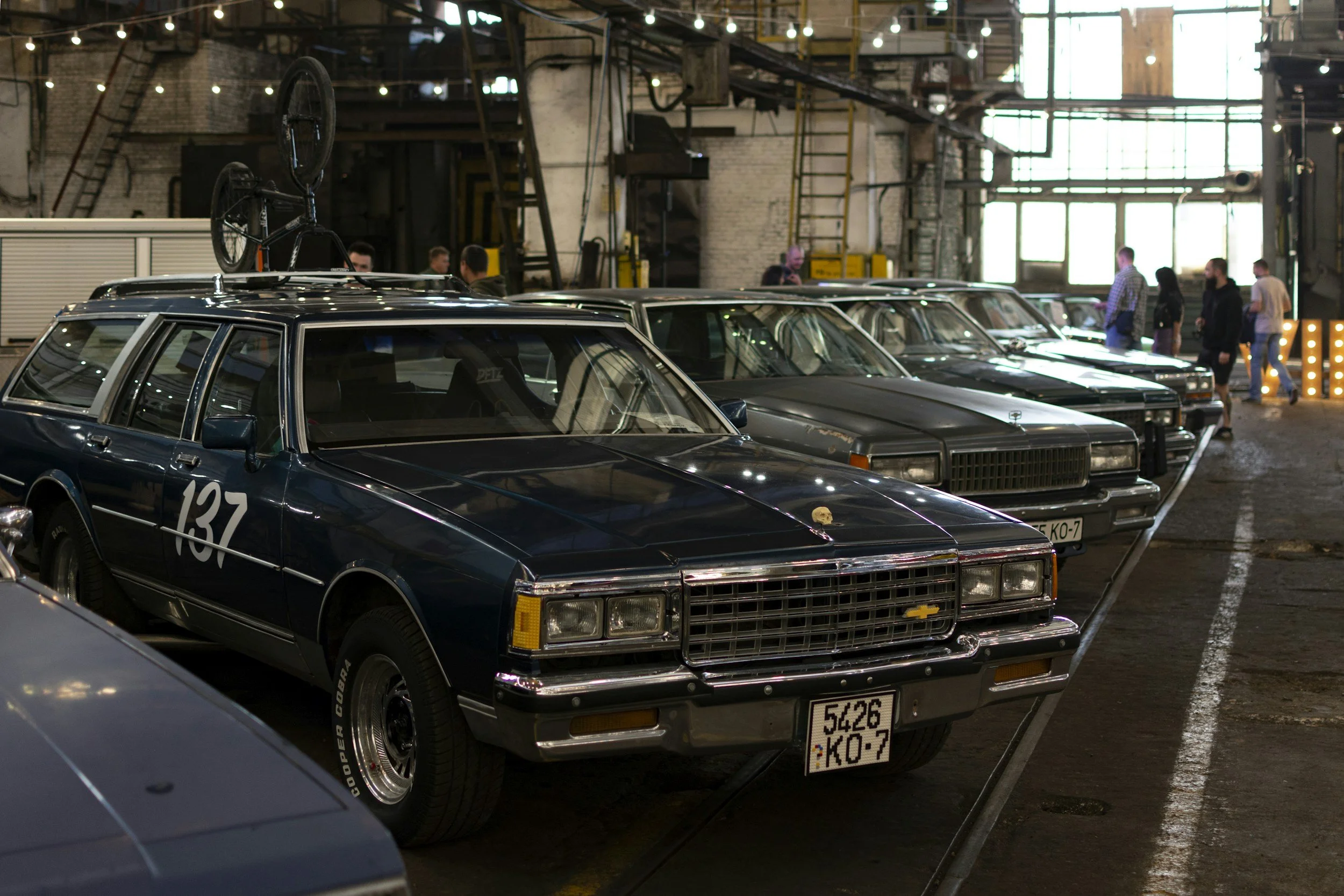
He’s speaking as someone who has outgrown their family dynamic but keeps being called back to help fix it. There’s this push and pull between wanting to be close to your family but experiencing such dysfunction when you do spend time with them. It's so awkward and tension-filled that no one can have a civil conversation. He feels pressure to stay to keep his mom happy.
The bridge has this childlike structure to it, almost like they revert back to being kids when they’re in the same room. “Make him talk, make it stop! All I want is a dialogue!”
This song feels like a nod to oldest daughters everywhere. It asks the question, how willing and able are we?
Willing and Able (for folks who want to process some sibling dynamics)
Willing and Able is about the dueling points of view between two brothers. Noah writes about the way he envisions his brother feeling this resentment and anger towards him as they’ve grown up. This anger stems from Noah’s desertion of his family.
We each have specific roles in our families of origin. Some of us leave and some of us stay. We all have feelings about these choices. What we choose for ourselves impacts the way we understand each other. As we grow up, these one-sided narratives we have of the other continue to fester when we don’t share ourselves or talk about how we feel.
As kids, there is this willingness to fight and a lack of ability to do anything else because we don’t know how to talk, especially in a family so avoidant. Somewhere along the way, we stopped connecting at all. There’s this childlike desperation in the way that he is describing their old relationship with arguing. “We can fight like we used to fight, bony-limbed, red-faced, and teary-eyed."
I picture this to mean it’s okay that his brother is mad at him; he knows the ideas they have of each other are wrong and just wants to talk it through. It is so raw and earnest, the way he puts his heart on the line to ask his brother, "Is knowing me something that you want?” Further, "It's something I want for us, to know each other well enough to sit in silence together.”
Once they have gotten everything out between them, they can say they love each other and fully mean it. They can accept each other for who they are and move forward.
Let’s bend for each other because that is what we do for the people we love. This is how we connect.
Dashboard (for my folks who wear avoidance like a perfume)
Another song about avoidance. Accountability is hard. Being honest is hard. Looking in the mirror is hard. We find all these ways around dealing with our deep-rooted problems. We move away, we adopt a dog, and we distance ourselves from those who truly know us.
The truth is, we can only fake growth for as long as it takes for everyone around us to figure out that we’re phonies. Pretending to have done all this work on ourselves when really nothing has changed. When you avoid your problems, they don’t just disappear. Our lives will not magically be different. They will come back around.
Changing one piece in a system doesn’t guarantee that the whole thing changes. Relationships are like this too. We can try to grow, but we cannot understand and change ourselves if we don’t address what’s underneath.
We Go Way Back (for my folks feeling stuck even with success)

A love song. He writes about escaping his success as an artist and performer. Years have passed since he traveled the world on tour, showcasing his pain. He is still exhausted from all the miles.
After stepping out of the spotlight, he dreams of becoming someone who lives a simple life with his wife. He lets out the dogs, sweeps the porch, and watches storms roll in and out. He is loved by her in the same ways he always has been, since before he was famous. He is unburdened from having to write down his pain for it to be real. His importance is no longer dependent on who is listening to it. There was once a time way back when this was true too.
“I can hear the song of the robin; I haven’t wrote my own in a long time. And it’s just fine.”
All Them Horses (for my folks processing privilege and survivors guilt)
A song about privilege and survivor’s guilt.
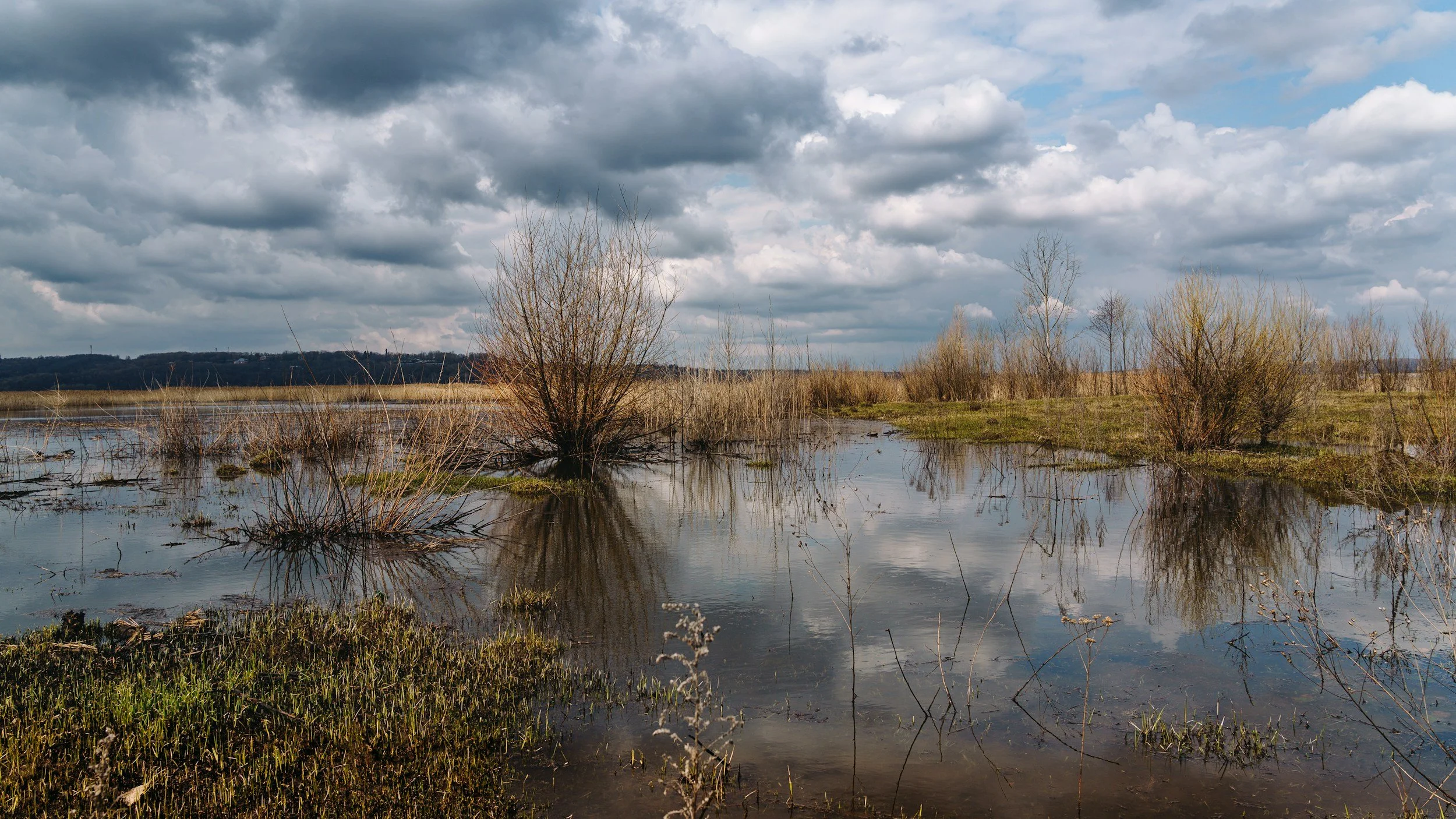
In All Them Horses, Noah is referencing the Vermont floods a few years ago. He touches on the guilt he feels for dancing and singing about all his pain when his hometown is under water and horses are being swept away. The imposter syndrome that comes along with singing about tragedy when there are people out there actively experiencing it. Even worse, it’s the people he grew up with that are suffering, and he’s above them on a plane just watching it happen. Despite the tragedy going on below him, he feels lonely.
He knows how lucky he is and isn’t convinced he deserves it. It’s a privilege to have the world care about your pain. It’s a privilege to hold the microphone, but it’s also what’s distancing him from where he comes from. A way of saying “I am still from this place, but I go way beyond it now.”
Dan (for my folks ready to take the leap into deeper connection)
Dan is a song that shows us what happens when we connect. What connection gives to us. How it keeps us alive. Have you ever had even just one person believe in you? Think of all the things that you’ve done because of this belief.
Connection and love drive us forward. It is a need we all have as humans, like eating and sleeping. The loneliness Noah mentions in previous songs has been a cue for him. It’s telling him that he needs care, friendship, and mutual understanding. He values that feeling so much that he wishes he could live in it forever. Or rather, go there when he dies.
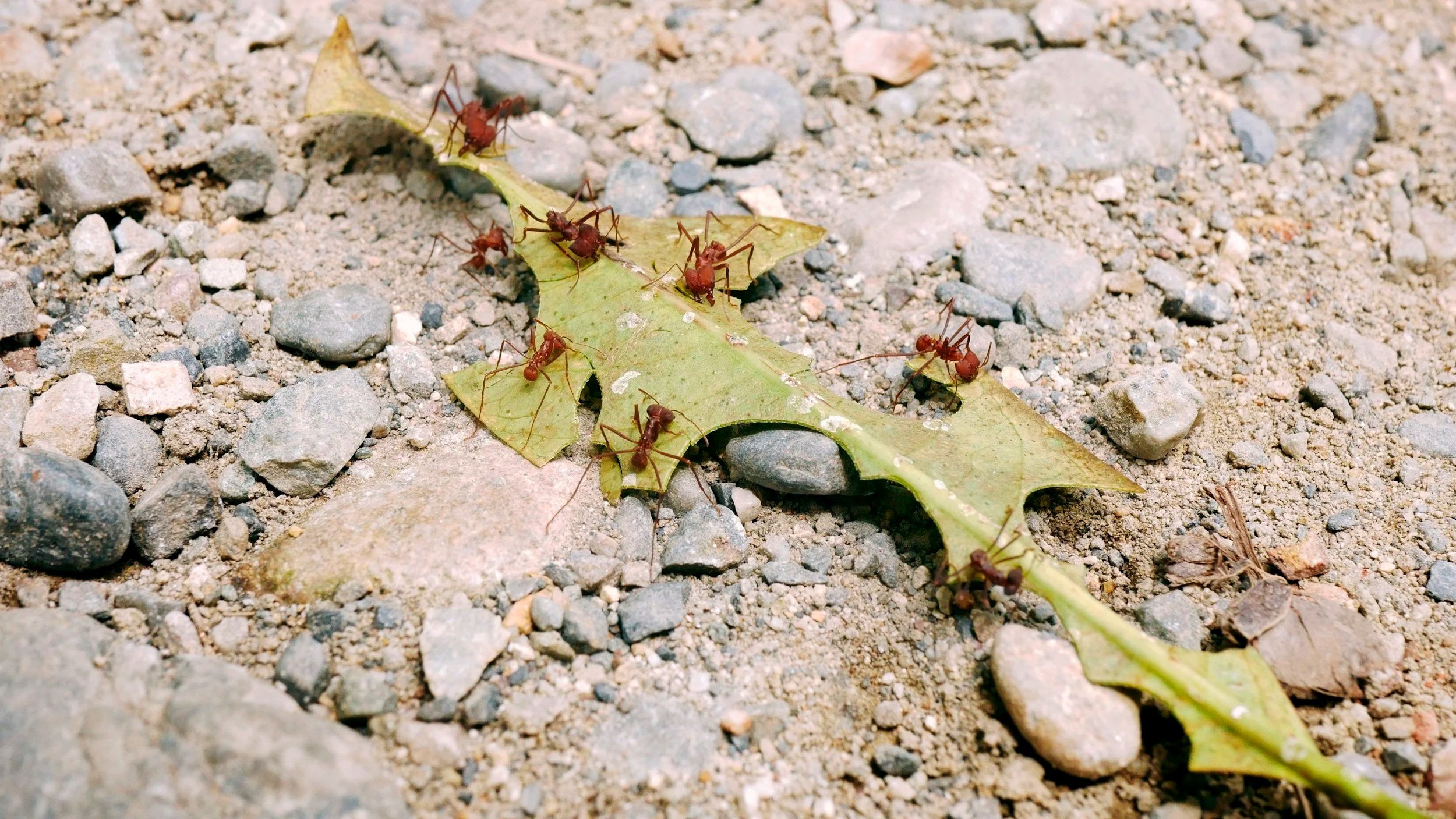
“See the bugs… hey, that’s us!” shows the simplicity of seeing yourself and your friendship represented in the world around you. We are all just bugs (people) sleeping soundly together (connecting). Or at least, we hope. Connection impacts us deeply; it’s what keeps us moving.
If you want more from your relationships with others and with yourself, The Therapy Group is a great place to start. Consider this me reaching out my hand and asking: how much are you willing to risk?