
The Great Divide Meaning Continued: A Therapist Decodes 7 More Noah Kahan Songs
Written by Mak Donovan, MFT | Published June 2026 | The Therapy Group

Hi again. I’m back to unpack more of the songs from The Great Divide: The Last Of The Bugs by Noah Kahan. Spending time with this album has been a gift. Thanks for taking the time to read part one! Here’s what I think of a few of the other songs on the album and who can benefit from listening to them.
And if the divide Noah sings about feels familiar in your relationship, your family, or somewhere in yourself, The Therapy Group can help you reach out a hand.
Downfall (for my folks who feel like their growth scares the people they love)
Noah writes Downfall from the perspective of someone waiting for him back home. Resentment is loud as the narrator tells Noah exactly how they feel about his newfound fame. This fame is what took him away from them, and they’re incredibly bitter about this. There’s this want to be happy for him, but this underlying theme of selfishness that doesn’t allow them to do so. They want him to fail. This lack of encouragement is because of their own need for him to stay put at home with them. “I’ll keep my ear to the doorframe, and I’ll keep rooting for your downfall.”
This song is their way of telling him, “Look how easy I’ll make it for you to come home.” I’m sure this is both comforting and disappointing. He’ll have a soft spot to land if this all fails, but at what cost?
“Call me when it goes to shit. I’ll be keeping the house the way it was. I won’t rub your face in it. I swear I won’t tell anyone."
Paid Time Off (for my codependent folks who fear change)
In a society that is always talking about leaving your hometown and how crucial that is to your well-being, this song describes the other side of that coin. Staying in your town and living a simple life (in this case) without any real risk. Remaining comfortable in familiarity, whether it’s fulfilling to you or not.
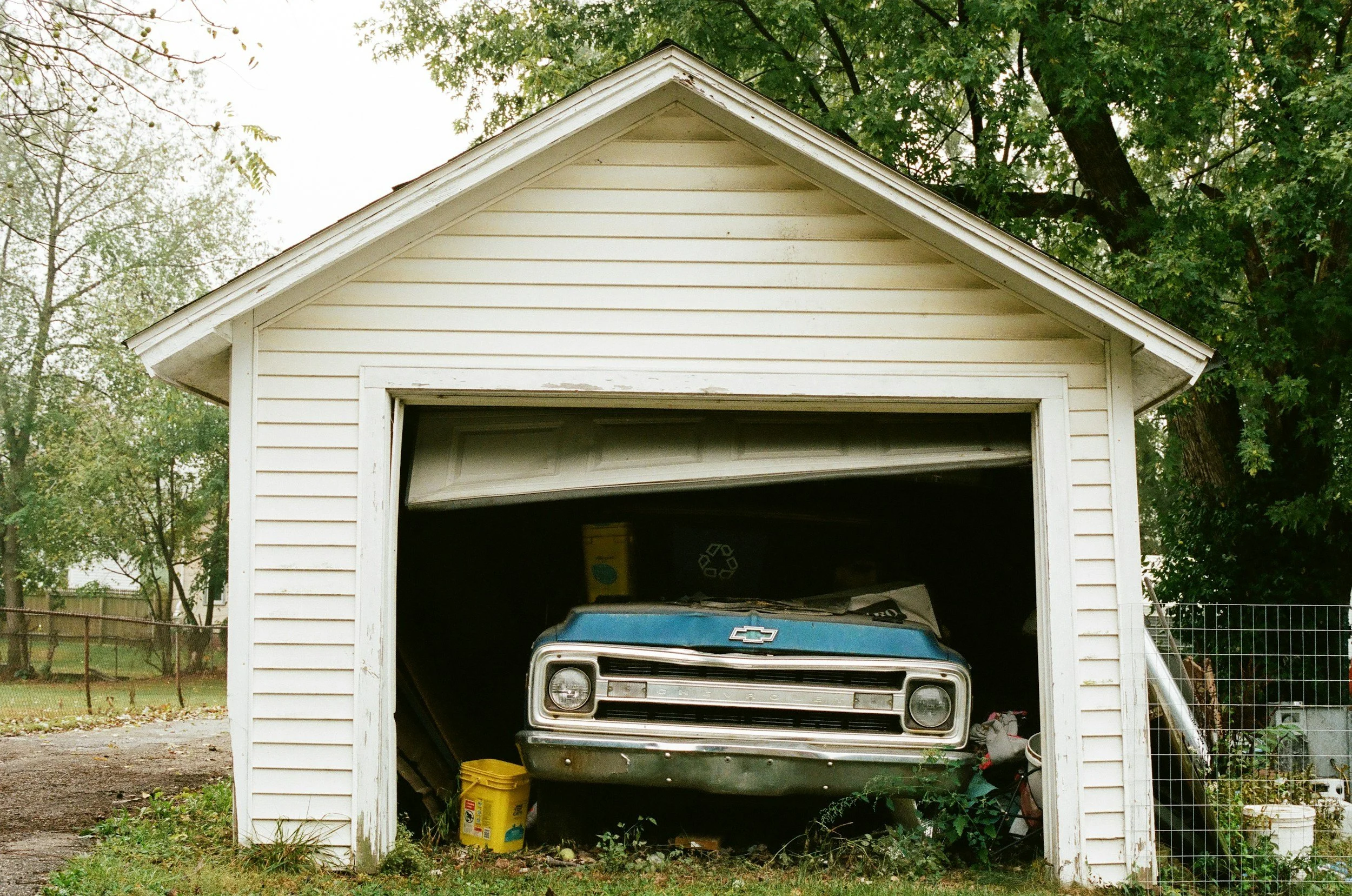
Despite the upbeat vibe of the song, I think it’s in more neutral territory than happy. He hints at some codependency in the relationship he’s singing about, “and your love is like an open flame, I’m a running car and you’re a closed garage.” Fire and gas in a closed-off space is a recipe for disaster. It can create both a toxic environment in terms of an explosion, but it can also slowly seep in and steal all the air around you. That’s why people warn you about leaving your car on if your garage door is closed. The longer you stay there, the faster it kills you. It drains the life from you. Remaining there together will slowly poison them both. In this case, it kills their drive, hopes, dreams, and want for more beyond this small-town life. But they both seem to be okay with that. They don’t mind at all.
Staying Still: (for my folks with anxious attachment)
“Are you good at staying still?” is Noah’s way of asking this person if they’re going to leave him or not. He’s not sure how many times he can be abandoned just to have to start over on his own. Whether it be a long-distance relationship, a string of breakups, or something else entirely, he keeps getting left behind. Each time this happens, he can tolerate it less and less. He starts expecting this desertion from everyone, and this is his plea for it to stop. Please just stay still, here with me.
Unable to sit with the helplessness he feels, he tries to brainstorm ways of keeping this person with him. He wishes the Boston airport would get hit by a tornado. He’s showing them videos of plane crashes, anything to avoid the pain of watching them get smaller and further from him. He very vulnerably asks if this person will be there in the morning. Even if they say yes, I’m not sure he’d believe them.
In the bridge, he sounds so defeated. Trying to reassure himself that he will be okay without this person and that love always leaves despite the work you may put into it. The human thing to do is search for love when it’s gone, no matter the letdowns that follow. This song feels like his way of self-soothing when his need for connection betrays him.
“Put in love, put in hours, put in ceremony…. I’ll be good, I’ll be fine, I can laugh about it.”
The Great Divide: (for my folks with religious trauma)

The title track of the album centers around religious trauma. Without much ego, Noah admits to misunderstanding how much the person he’s singing about has struggled in their life and what they’ve gone through to hide these struggles. He touches on the avoidance that he has mentioned throughout the entire album. I think this is the divide he’s talking about. When there are two people in a room and one is experiencing such pain and the other is completely unaware. The religious piece comes in as he hopes this person can let go of this pain and live a less traumatized life, where they just have more “normal” fears and less about what He thinks of them.
It can be difficult to sit with another person’s pain, but this is no reason to turn away. Self-preservation is often a direct roadblock for connection. You need to be able to look past your own discomfort to help hold someone else’s. You need to notice when someone is hurting; you need to offer a hand. Noah is touching upon the guilt he feels for being in his own world, for missing the obvious signs of struggle, for turning the other way, “I’m finally aware of how shitty and unfair it was to stare ahead like everything was fine.” This is what empathy is. This is how we show up. This is how we repair.
One of the final lyrics of this song is, “I hope you threw a brick right into that stained glass.I hope you’re with someone who isn’t scared to ask.” I don’t know about you, but that is one of the kindest things I have ever heard. “I wish for you to be with a person who is brave enough to ask you the questions I couldn’t. To bear witness to your hurt and not shy away.” This is what we all deserve. This is what we can give to one another.
Deny Deny Deny: (for my folks who just want to have an honest conversation)
Denial protects our ego and damages our connections. It leaves us lonely. Noah speaks to the anger and frustration that comes out when we can tap into a memory so clearly, and the other person just tells us it never happened. It makes us feel crazy. This is how denial works. People deflect, reject, and refuse to acknowledge their wrongdoings to avoid accountability. To avoid looking at themselves. When they live in this false sense of reality, it’s impossible to meet them there. It’s also impossible for them to meet our needs, to make repairs, or to have any trust or safety within the relationship. It becomes increasingly harder to have empathy for those who deny us of theirs.
He feels unable to talk through anything with this person. Hearing the denial of their past activates him so much that he has just stopped acknowledging it. Completely given up on asking for more from this dynamic. To ask for more means to be left stranded. Instead of talking, they sit side by side with a world between them, an alternate reality that isn’t theirs. “I’m far too tired to watch you lie, so let’s just watch TV…" meaning, "Our relationship will never go deeper than this, and that is on you. You deny our history, and I cannot connect with you if you do that.”
Spoiled: (for my folks who are trying to do it a little better than their parents did)
Spoiled acts as an acknowledgment of just how much parents impact their children. This is neither good nor bad; it’s just fact. Our caregivers teach us how to show up in the world. They are our first relationships. We learn so much from them.
As a parent, you’re going to make mistakes. Generationally, I think we all just want to do a little better than our parents did for us. You can try your very best, and you are still going to have faults. This is inevitable and human. All you can do is acknowledge this and try to do better next time. This teaches your children trust, safety, and repair.
Yes, this song partly focuses on breaking the cycle with his own children, but it also acknowledges his parents for their hard work and dedication to their family. It reads like a thank you to his dad for letting Noah blame his faults on him and a promise to allow his children to do the same. To spoil his kids the way his dad has spoiled him. To find new ways to spoil them too.
“We’re gonna be rich! In our own way!” I like to picture this richness as emotional availability, support, a soft place to land, connection, access to each other, and much more. He means, “I want the same things you wanted; I just want to do them differently.”
Thanks, Mom and Dad!
Orbiter: (for my folks who orbit a steady anchor)

Along the theme of parenting, Orbiter potentially pays tribute to the guidance and support Noah receives from his own mom. He talks about navigating change (fame) in his life and how it feels so alien to him. It throws him back to his college years, where I’m sure he experienced real freedom for the first time. He, like he was then, is not quite sure of how to move, but his mom steadies him. She is the moon around which he orbits. An anchor that keeps him grounded when he feels like he’s lost and floating with no clear direction.
As we grow up, I think there is always a part of all of us that just wants the comfort of our parents. We want someone who offers us guidance and belief in ourselves. We’re lucky if we get to experience this closeness, and it will really hurt when we lose it.
“I’m an astronaut, you’re the moon; I stare at you, I sing to you."
Who is your moon?
Thanks to you for reading, and thanks to Noah for this album. It all means so much.
If you want more from your relationships, with others and with yourself, The Therapy Group is a great place to start. This is what showing up looks like, and we'd be honored to do it alongside you.